


An unforgettable journey to Argentina’s most powerful natural wonder, in the heart of Misiones Province
In the lush, subtropical northeast of Misiones Province, where red earth meets dense emerald jungle, one of the planet’s most awe-inspiring spectacles unfolds in a symphony of mist and sound: Iguazú Falls.
Straddling the border between Argentina and Brazil, this UNESCO World Heritage Site is not simply a waterfall—it is an immersive encounter with the raw force of nature.
A Natural Wonder Beyond Imagination
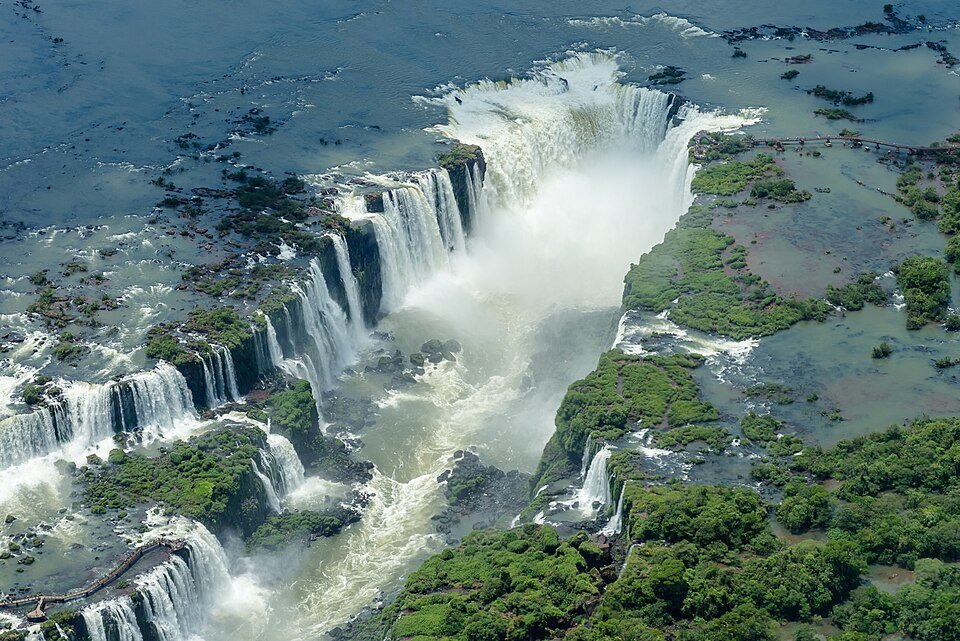
Composed of 275 individual cascades stretching nearly 3 kilometers wide, Iguazú Falls dwarfs even the legendary Niagara Falls in scale and drama. The roar is constant, echoing across the rainforest canopy, while columns of water plunge from heights of up to 80 meters into swirling, mist-filled chasms below.
The undisputed highlight is the Devil’s Throat (Garganta del Diablo)—a massive U-shaped cataract where torrents of water crash with hypnotic intensity. Standing on the viewing platform above it is both humbling and exhilarating: the ground trembles, rainbows shimmer in the spray, and time seems to pause.
Inside Iguazú National Park
On the Argentine side, the falls are protected within Iguazú National Park, a sanctuary of biodiversity. The park’s extensive network of walkways allows visitors to experience the falls from above, below, and even at water level.
But Iguazú is more than water. The surrounding Atlantic rainforest is alive with toucans, butterflies, coatis, capuchin monkeys, and vibrant tropical flora. The red-soil trails, framed by lush greenery, make the journey as memorable as the destination.
For adventurous travelers, boat excursions navigate the river’s rapids to the base of the falls—guaranteeing an exhilarating (and soaking!) experience beneath the cascading walls of water.
The Cultural and Ecological Heart of Misiones
Beyond its natural beauty, Iguazú is deeply woven into the identity of Puerto Iguazú, the charming gateway town to the falls. Here, visitors can explore local markets, savor regional cuisine, and learn about the indigenous Guaraní heritage that has shaped the region’s culture for centuries.
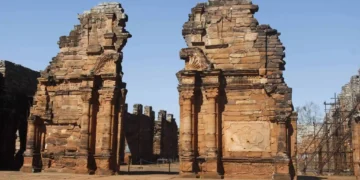
Misiones itself is a province defined by nature—rolling green landscapes, Jesuit missions, yerba mate plantations, and rivers that carve through subtropical forest. Iguazú Falls stands as its crown jewel, drawing travelers from across the globe while anchoring sustainable tourism efforts in the region.
When to Visit
Iguazú Falls can be visited year-round, each season offering a different perspective:
-
Summer (December–March): Powerful water flow and dramatic views, with warm, humid weather.
-
Autumn & Spring: Mild temperatures and vibrant jungle colors.
-
Winter (June–August): Cooler and often clearer days, ideal for walking trails.
Regardless of the season, the falls maintain their magnetic presence—dynamic, alive, and unforgettable.
A Destination That Stays With You
There are places you visit, and there are places that transform you. Iguazú Falls belongs to the latter. It is a reminder of the planet’s grandeur, of water’s relentless force, and of the delicate ecosystems that sustain such beauty.
In the heart of Misiones, amid jungle mist and thunderous cascades, travelers discover not just a destination—but a profound connection with nature itself.
Iguazú is not just seen. It is felt.